Discover Bénédictine: History and Cocktail Magic Unveiled

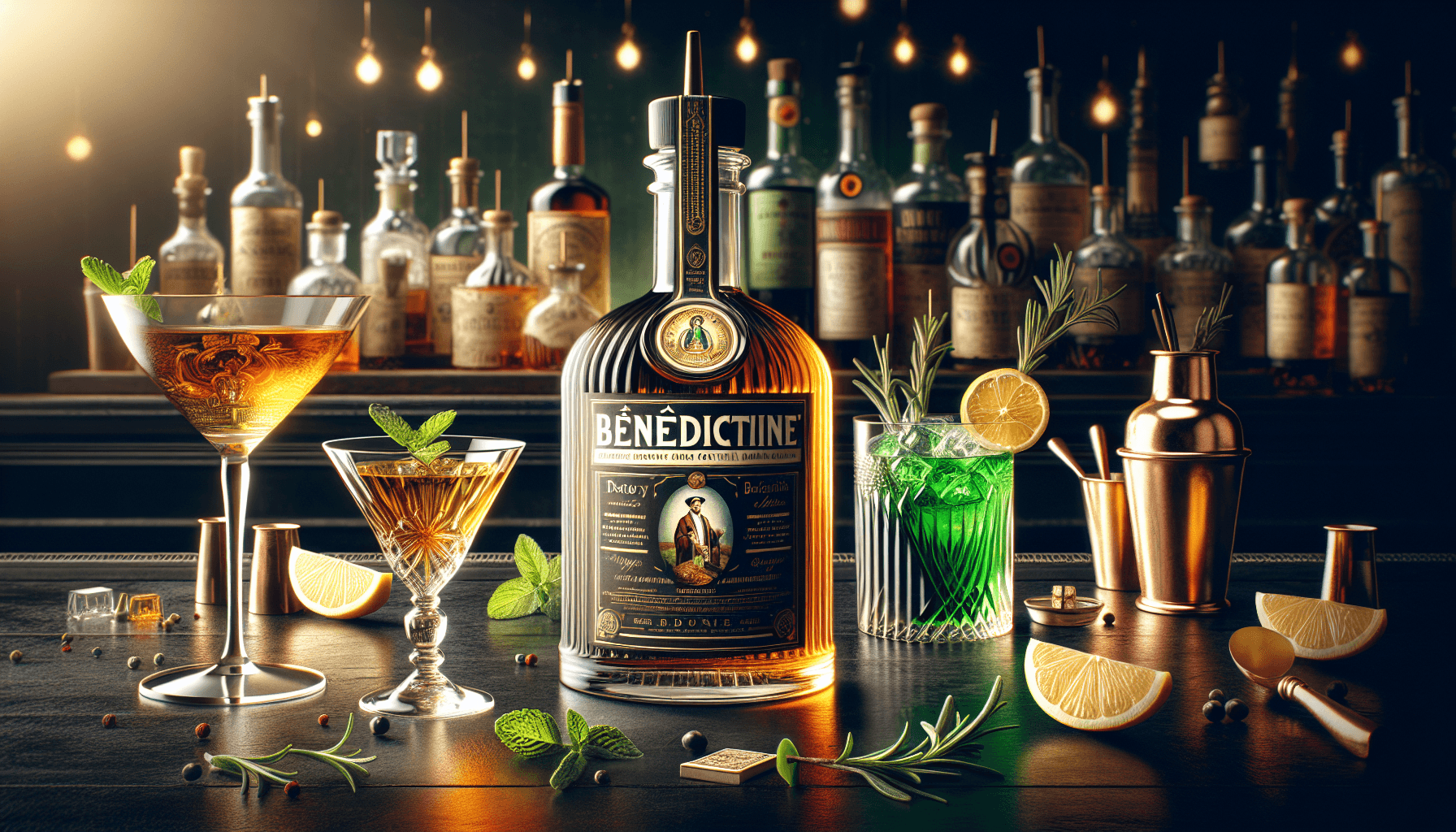
Uncovering Bénédictine: A Liqueur Steeped in History and Versatility
Hello, friends of the cocktail craft! I’m thrilled to dive into the amber-hued world of Bénédictine with you today. As someone who’s spent countless hours poring over faded bar manuals and dusty archives, I can tell you there’s something truly magical about this herbal liqueur. Its story is as complex as its flavor, and its potential in cocktails—both classic and innovative—is boundless. Let’s journey through the history of Bénédictine, explore its cultural roots, and mix up a few drinks, including an experimental recipe I’ve been tinkering with. Grab your shaker, and let’s get started.
The Enigmatic Origins of Bénédictine
Bénédictine is a liqueur that feels like it’s been pulled straight from the pages of a medieval manuscript. Created in 1863 by Alexandre Le Grand, a wine merchant from Fécamp, France, it was inspired by an old recipe supposedly crafted by Benedictine monks centuries earlier. Now, I’ve dug into the historical records, and I must note that the monastic connection is more romantic lore than verifiable fact. Le Grand was a shrewd businessman who knew a good story could sell bottles—and it did. Still, there’s no denying the mystique of a drink tied to ancient herbal remedies and cloistered secrets.
What we do know is that Bénédictine is made from a blend of 27 herbs and spices, including angelica, hyssop, and saffron, steeped in a base of distilled alcohol and sweetened with honey. The recipe remains a closely guarded secret, locked away in the Palais Bénédictine in Fécamp—a place I dream of visiting one day to see the copper stills and manuscripts firsthand. The result is a liqueur with a rich, golden color and a taste that’s at once sweet, spicy, and herbaceous, with whispers of citrus and a velvety finish. It’s no wonder it became a staple in 19th-century bars across Europe and beyond.
A Cultural Elixir Through the Ages
Bénédictine’s rise to prominence mirrors the cultural shifts of its time. In the late 1800s, Europe was in the throes of the Belle Époque—a period of opulence and indulgence. Cafés and salons buzzed with artists, writers, and socialites, all sipping on elaborate cocktails. Bénédictine fit right in, often served neat as a digestif or mixed into drinks that showcased its complexity. It became a symbol of sophistication, a little taste of French mystique in every glass.
By the early 20th century, it crossed the Atlantic, finding a home in American bars during the pre-Prohibition era. It was a favorite among the elite, featured in recipes at iconic spots like the Hotel Nacional in Havana and the Waldorf Astoria in New York. Even after Prohibition, when many liqueurs fell out of favor, Bénédictine endured, thanks in part to its inclusion in enduring classics like the Vieux Carré. Its staying power speaks to a unique balance—it’s bold enough to stand out but subtle enough to play well with other spirits.
Mixing with Bénédictine: A Canvas for Creativity
What I love most about Bénédictine is its versatility. It can anchor a cocktail with depth or act as a supporting note that ties flavors together. Over the years, bartenders have used it to bridge sweet and savory, to temper the bite of whiskey, or to add an herbal twist to gin. If you’re new to working with it, start with small amounts—its intensity can easily overpower a drink if you’re not careful. But once you get a feel for it, the possibilities are endless.
I’ve pulled a couple of classic recipes from my collection to share with you, alongside a new creation I’ve been experimenting with. These drinks highlight Bénédictine’s range, from a familiar favorite to something completely unexpected. Let’s shake and stir our way through them.
The Vieux Carré: A Taste of New Orleans
This cocktail, born in the 1930s at the Hotel Monteleone in New Orleans, is a masterclass in balance. Named after the French Quarter (or “Old Square”), it’s a drink that captures the city’s melting pot of influences. Bénédictine plays a subtle but crucial role here, adding a honeyed warmth that rounds out the sharp edges of rye and Cognac.
Vieux Carré
A classic New Orleans cocktail featuring Bénédictine, rye whiskey, and Cognac, with a balance of sweet and bitter notes.
🥄Ingredients
- 3/4 oz rye whiskey
- 3/4 oz Cognac
- 3/4 oz sweet vermouth
- 1/2 tsp Bénédictine
- 2 dashes Peychaud’s bitters
- 2 dashes Angostura bitters
- Lemon twist, for garnish
📝Instructions
- 1Combine rye whiskey, Cognac, sweet vermouth, Bénédictine, and both bitters in a mixing glass with ice.
- 2Stir until well-chilled, about 30 seconds.
- 3Strain into a rocks glass over a large ice cube.
- 4Garnish with a lemon twist.
The Monte Carlo: A Whiskey Lover’s Dream
A lesser-known gem, the Monte Carlo is essentially a riff on the Manhattan, with Bénédictine stepping in for sweet vermouth. I stumbled across this in a 1940s cocktail guide, and it’s become a go-to when I’m craving something spirit-forward with a touch of sweetness. The liqueur’s herbal notes elevate the bourbon, making each sip feel like a discovery.
Monte Carlo
A whiskey-based cocktail that substitutes Bénédictine for sweet vermouth, offering a complex, herbal twist on the classic Manhattan.
🥄Ingredients
- 2 oz bourbon
- 1/2 oz Bénédictine
- 2 dashes Angostura bitters
- Maraschino cherry, for garnish
📝Instructions
- 1Add bourbon, Bénédictine, and bitters to a mixing glass with ice.
- 2Stir until chilled, about 30 seconds.
- 3Strain into a chilled cocktail glass.
- 4Garnish with a maraschino cherry.
The Cloistered Grove: An Experimental Elixir
Now, for something a bit different. I’ve been playing with the idea of pairing Bénédictine with mezcal, inspired by the liqueur’s herbal intensity and mezcal’s smoky earthiness. I wanted to create a drink that feels like a walk through a forest after a rainstorm—damp, green, and mysterious. The result is what I’m calling the Cloistered Grove, a nod to those apocryphal monks and their hidden recipes. A touch of lime and agave syrup keeps it bright, while the Bénédictine weaves everything together with its spiced honey notes. Give it a try and let me know what you think—I’m still tweaking it!
Cloistered Grove
An experimental cocktail combining the smokiness of mezcal with the herbal sweetness of Bénédictine, balanced by lime and agave for a forest-inspired sip.
🥄Ingredients
- 1 1/2 oz mezcal
- 3/4 oz Bénédictine
- 1/2 oz fresh lime juice
- 1/2 oz agave syrup
- Lime wheel, for garnish
📝Instructions
- 1Combine mezcal, Bénédictine, lime juice, and agave syrup in a shaker with ice.
- 2Shake vigorously for 15 seconds until well-chilled.
- 3Strain into a chilled coupe glass.
- 4Garnish with a lime wheel.
Bringing the Past to Your Glass
Bénédictine is more than just a liqueur—it’s a portal to bygone eras, a reminder of the ingenuity and artistry of those early mixologists. Whether you’re sipping a Vieux Carré and imagining the jazz-filled streets of New Orleans or experimenting with something new like the Cloistered Grove, you’re participating in a long tradition of creativity. I encourage you to explore this liqueur in your own way. Swap it into a favorite recipe, or invent something entirely unique. And if you uncover any obscure Bénédictine cocktails in old books or family recipes, I’d love to hear about them. Drop a comment or send me a note—let’s keep these stories alive together.
As I close out this deep dive, I’m already itching to dig into more archives and see what other forgotten drinks are waiting to be rediscovered. For now, though, I’ll raise a glass of Bénédictine—neat, just to savor its history—and toast to the next cocktail tale. Cheers, my friends. What’s your favorite way to enjoy this golden elixir?